
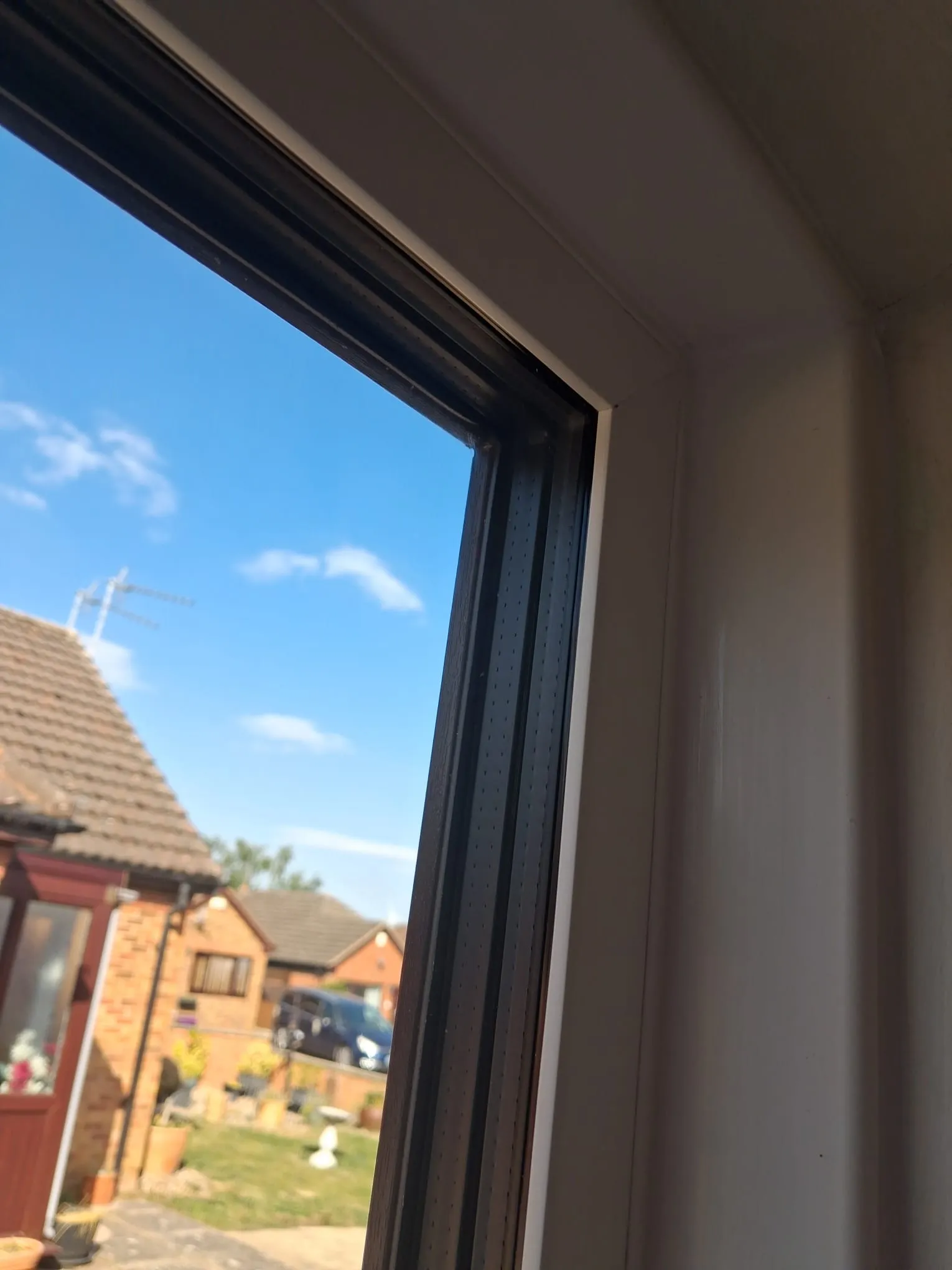
Living near a busy road, a railway or a noisy neighbour can wear you down. Windows are usually the weakest point for sound getting into a home, so upgrading them can make a real difference. Here is what works.
Start with the seals
Noise follows air. If a window does not close tightly, sound will get through the gaps. Check that the seals are intact and the sashes close firmly. New, well-fitted frames with continuous gaskets make a noticeable difference by themselves.
Choose the right glass
- Laminated glass is especially good at damping noise, thanks to its plastic interlayer.
- Using two panes of different thicknesses stops them vibrating at the same frequency, which helps cut a wider range of sounds.
- A wider gap between the panes generally improves insulation against lower-frequency noise.
- Triple glazing helps, but a well-specified double-glazed unit with laminated glass can be just as effective for sound.
Consider secondary glazing
Adding a second window on the inside of an existing one creates a large air gap, which is excellent at blocking noise. It is a great solution for period homes, listed buildings and flats where you cannot replace the original windows.
Don’t forget the rest of the wall
Trickle vents, letterboxes, loose doors and gaps around frames can let noise leak in. A good installer will seal these properly when fitting. If noise is a priority, tell us at the start so we can specify the whole opening to suit.