Casement Windows

Casement windows are the workhorse of residential and light commercial schemes: a classic, versatile design that suits almost any elevation and specification. Modern uPVC casement systems are available in 70mm standard and 70mm energy-optimised profiles, and in a deeper 90mm profile for schemes chasing the highest thermal performance.

Why specifiers choose them:

  • Multi-chambered profiles with bubble-gasket sealing for excellent air tightness and low heat loss.
  • Window Energy Ratings up to A++ with double glazing, helping properties achieve strong EPC results.
  • Tested to PAS 24 enhanced security, with Secured by Design options, which is the benchmark for new dwellings.
  • Low maintenance: no painting and no rot, which keeps lifetime costs down for landlords and owners.
  • A broad choice of colours, glazing bar styles and hardware to match a scheme or a house style.
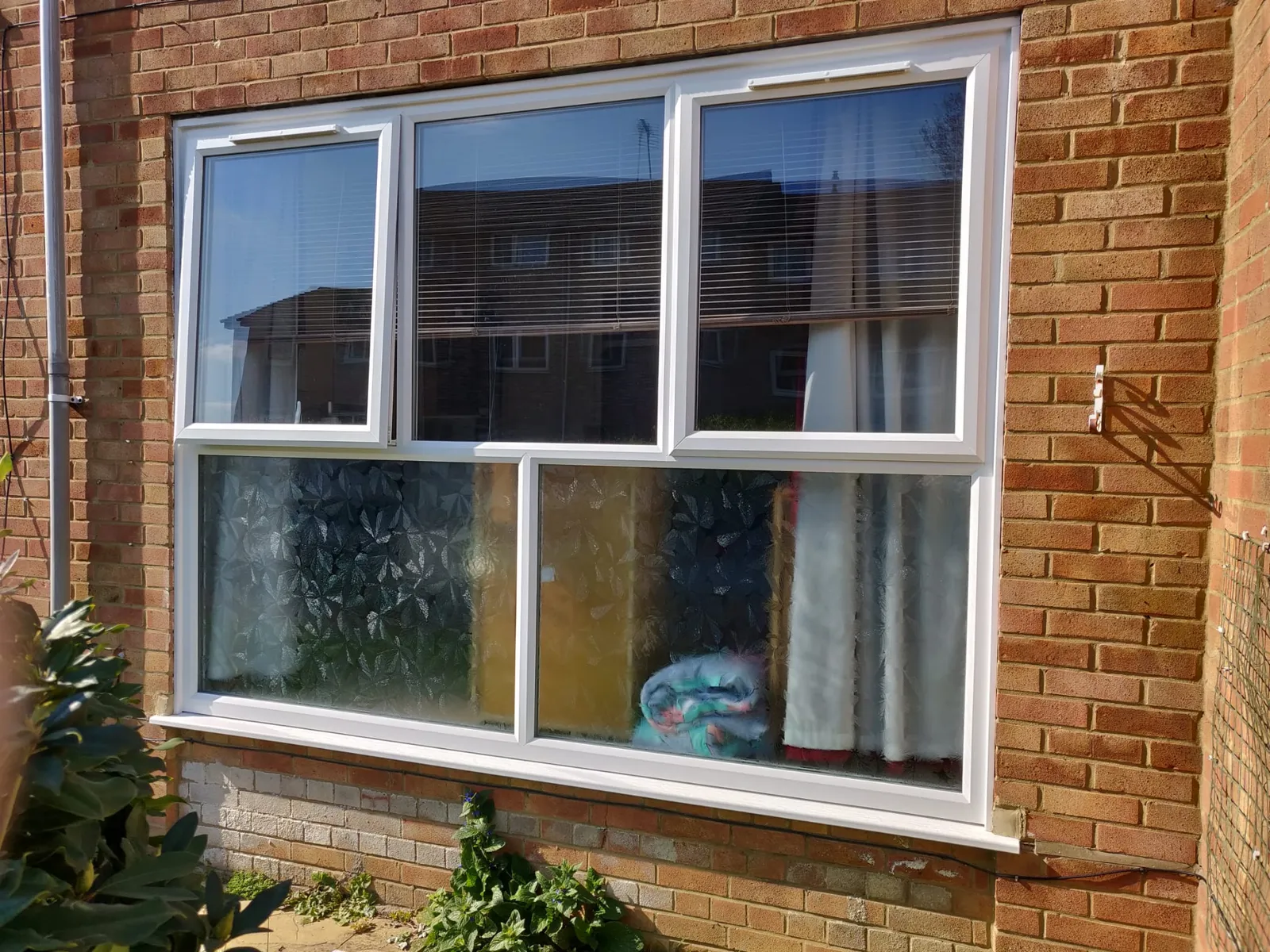
Large white casement window with glazing bars in a brick wall

Tilt & Turn Windows

Tilt and turn windows open in two ways from a single handle: tilted inwards at the top for secure ventilation, or turned fully inwards like a door for easy cleaning and emergency egress. They are the standard across much of Europe and are increasingly specified on flats, apartments and multi-storey developments where outward-opening sashes are impractical.

Benefits:

  • Ventilation without unlocking: the tilt position lets air in while the window stays locked and secure.
  • Safe, easy cleaning from inside, a real advantage on upper floors and for managed buildings.
  • Multi-point locking around the full sash for strong security.
  • Excellent thermal and acoustic performance, with 70mm and 90mm profile options.
  • The 90mm tilt and turn systems from leading profile manufacturers are Passivhaus Institute certified as energy-saving components.
  • Ideal where there is no space for outward-opening sashes, such as balconies, walkways and shared access areas.
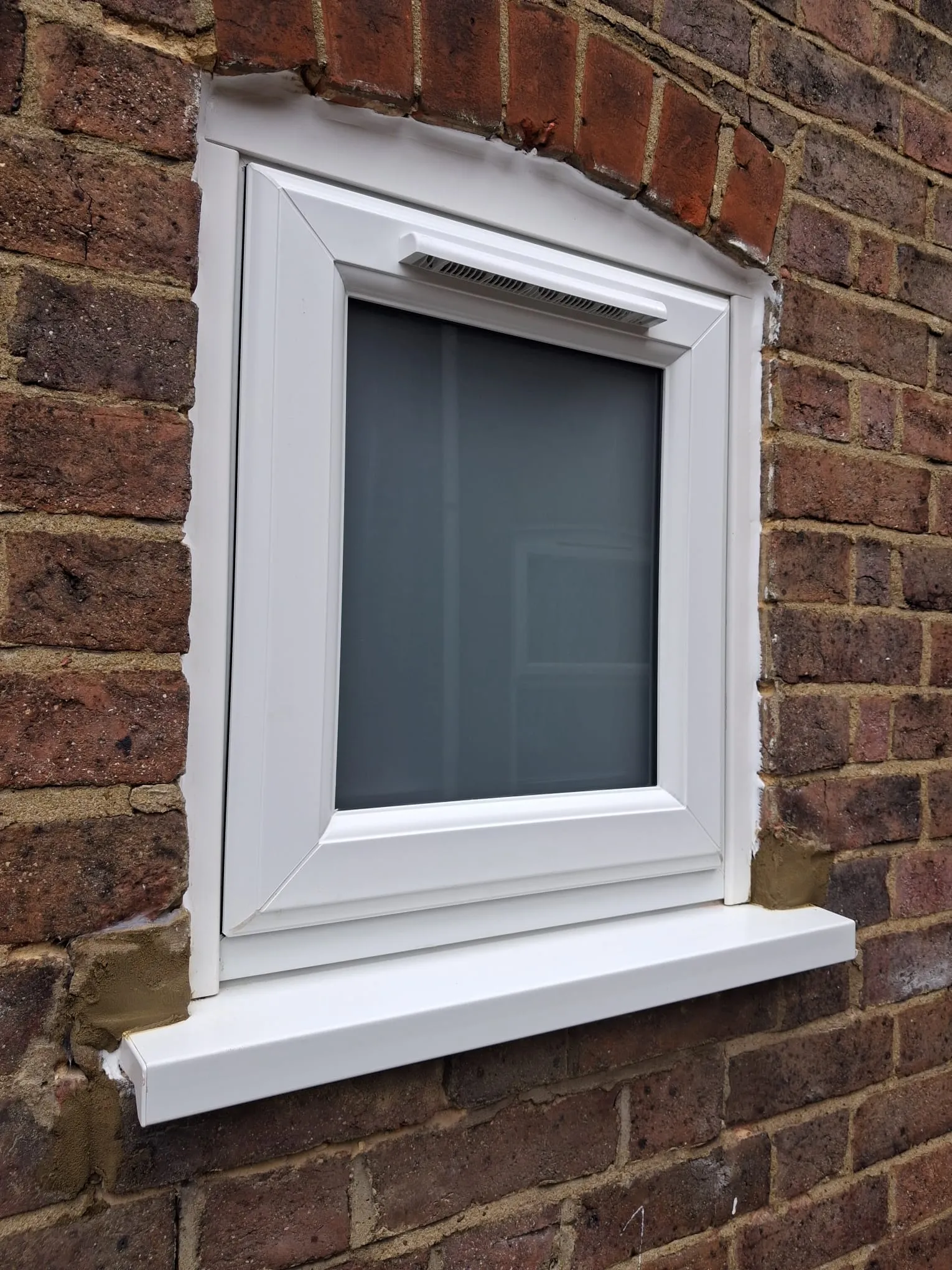
White tilt-and-turn window set into a red brick wall with a stone-effect sill

Flush Sash Windows

Flush sash windows give the refined look of traditional timber joinery with none of the upkeep. The sash sits flush within the frame with no overlap, creating a crisp, authentic appearance that adds real value to period conversions, heritage-style new builds and premium refurbishments. Systems are available in original 70mm profiles and in a double-rebated 80mm design.

Benefits:

  • Authentic timber-style finish that lifts kerb appeal and helps achieve a higher sale or rental value.
  • Suits both traditional and contemporary buildings, so one product can serve a whole scheme.
  • Modern thermal performance and tight weather seals.
  • Far lower maintenance than timber: no repainting between tenancies or after handover.
  • A strong choice for conservation-area and heritage-style projects.
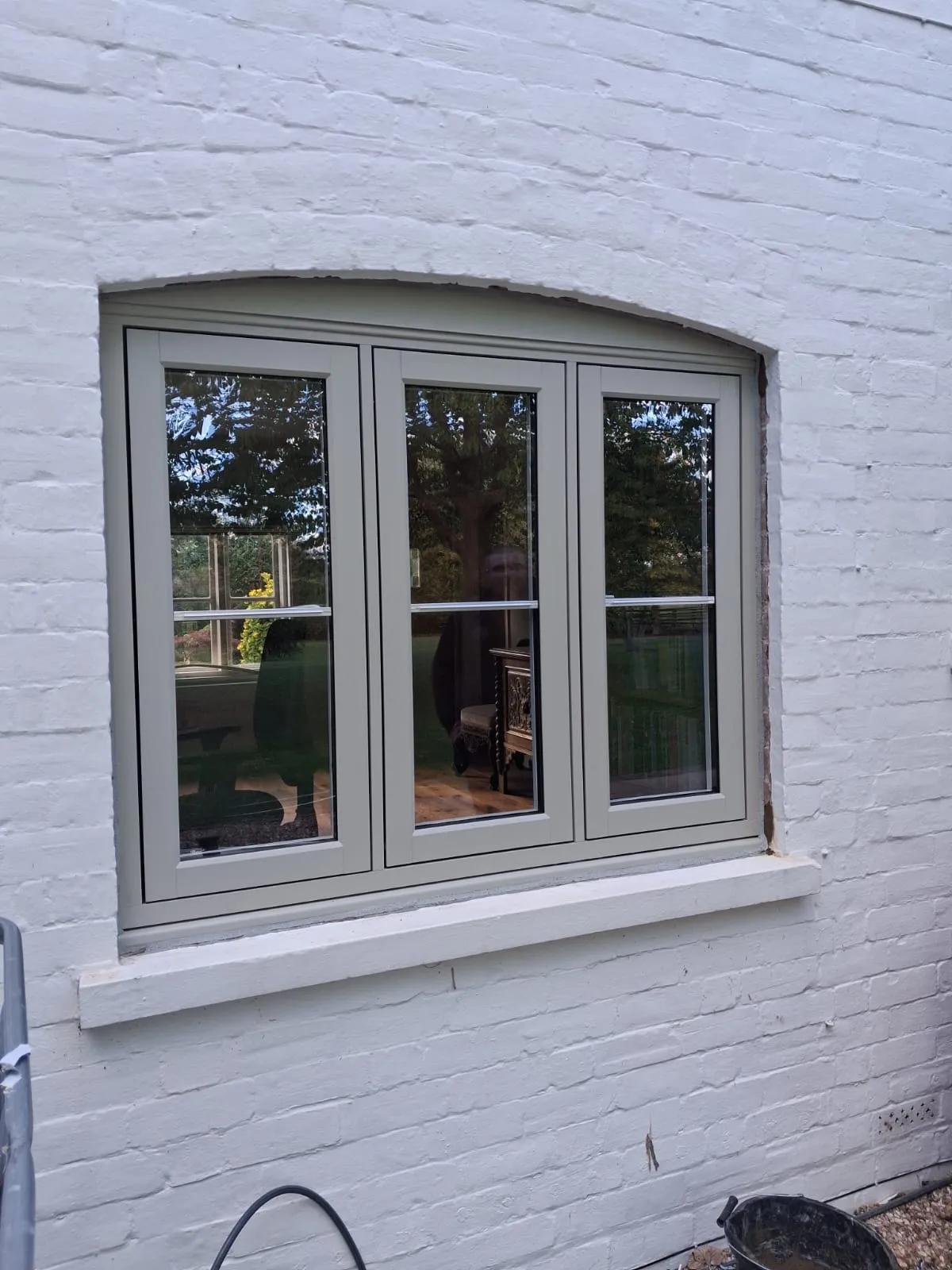
Grey flush-fitting casement window in a white painted brick wall

Sliding Sash Windows

Sliding sash windows are the right answer when a property’s character matters: the timeless vertical-sliding design, now with modern materials, glazing and seals. They are a natural fit for period conversions, heritage properties, conservation areas and listed buildings where traditional aesthetics are required.

The positives:

  • Classic, elegant styling that adds character and sale appeal.
  • Smooth operation and balanced airflow from opening the top and bottom sash.
  • Meets planning expectations in conservation areas while delivering modern performance.
  • Modern glazing and seals improve warmth and energy efficiency over the windows they replace.
  • Strong locking mechanisms for added security.
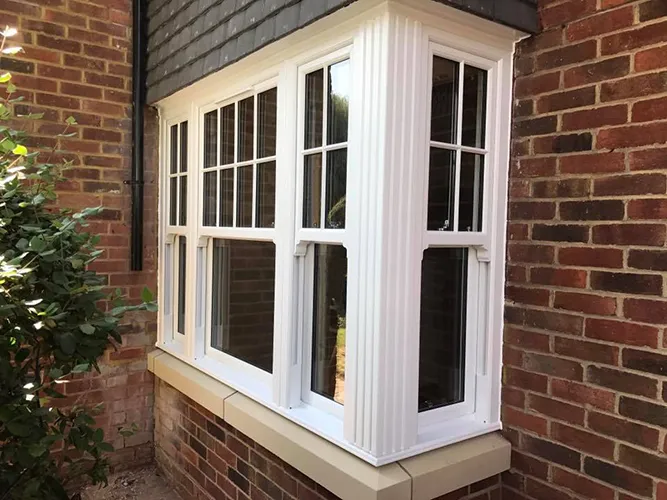
White bay sash window in a brick wall

Triple Glazing

Triple glazing delivers the lowest heat loss and the quietest interiors, which makes it a smart specification for low-energy developments, properties on busy roads and any scheme targeting the very best energy performance. The best 90mm casement systems reach U-values as low as 0.66 W/m²K when triple glazed.

It is worth being straight about the trade-off: today’s double-glazed systems already reach A++ Window Energy Ratings with U-values as low as 1.2 W/m²K, so triple glazing is not always necessary. We will tell you honestly when it is worth the extra cost for your project and when it is not.

Benefits:

  • The lowest heat loss available, supporting low-energy and high-EPC targets.
  • Noticeably better sound insulation for busy roads, rail lines and urban sites.
  • Warmer glass surfaces reduce condensation and cold spots.
  • Available across casement and tilt and turn styles.
  • A genuine selling point for energy-conscious buyers and tenants.
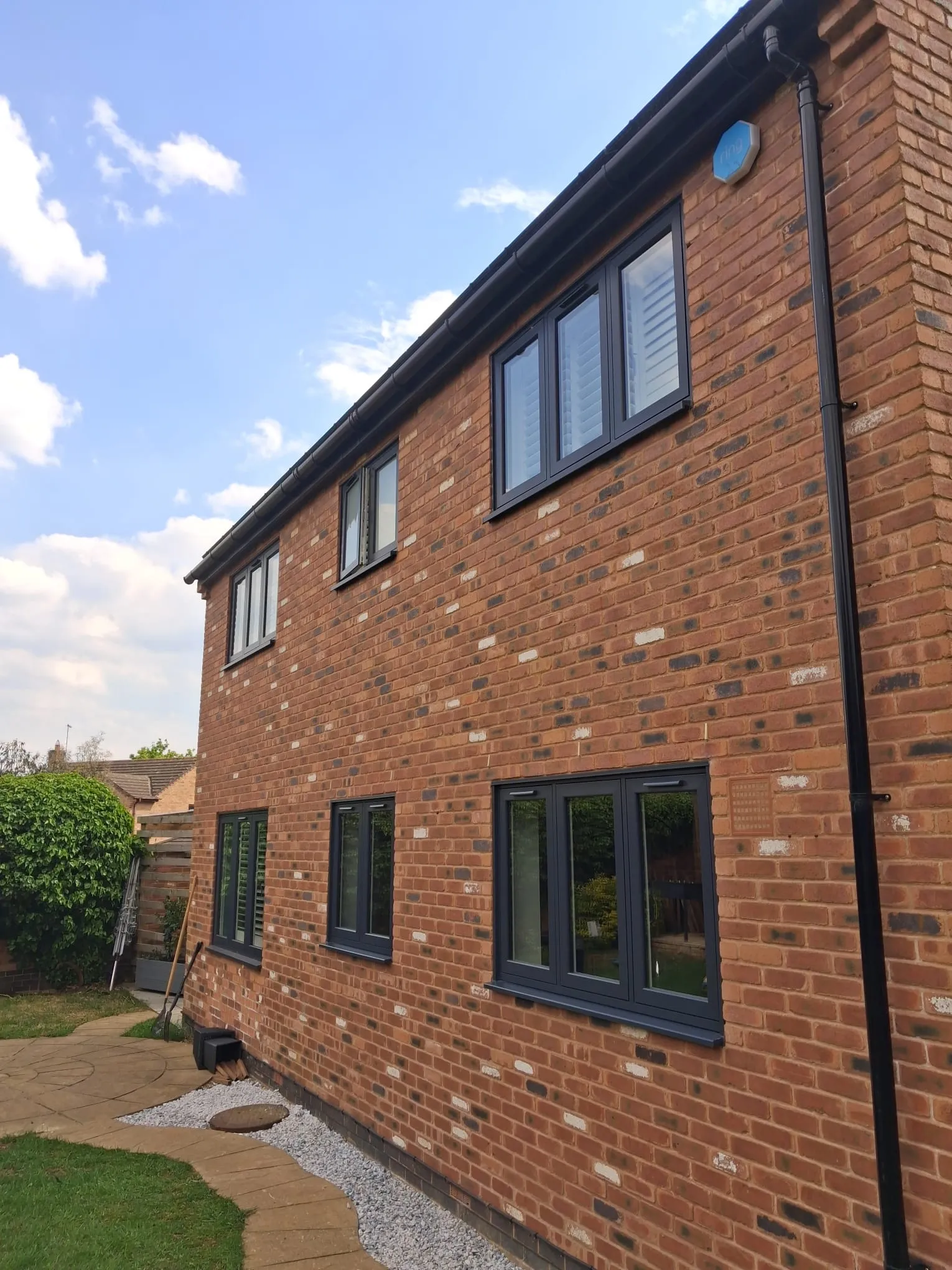
Brick building with dark grey windows seen at an angle under a blue sky

Secondary Glazing

Secondary glazing adds a second, independent pane on the inside of an existing window. It is the go-to solution where the original windows must be kept, such as listed buildings, conservation areas and period properties, or where you need a fast, minimally disruptive way to cut noise and heat loss without replacing the existing frames.

Benefits:

  • Preserves original windows and the character of heritage buildings, often without the need for consent that replacement would require.
  • Substantially reduces noise, ideal for busy roads, flats and mixed-use buildings.
  • Cuts draughts and heat loss, improving comfort and running costs.
  • Fitted from inside, so there is minimal disruption to the exterior and to occupied buildings.
  • Adds an extra layer of security to vulnerable ground-floor openings.
  • A cost-effective upgrade for rental portfolios and older stock.
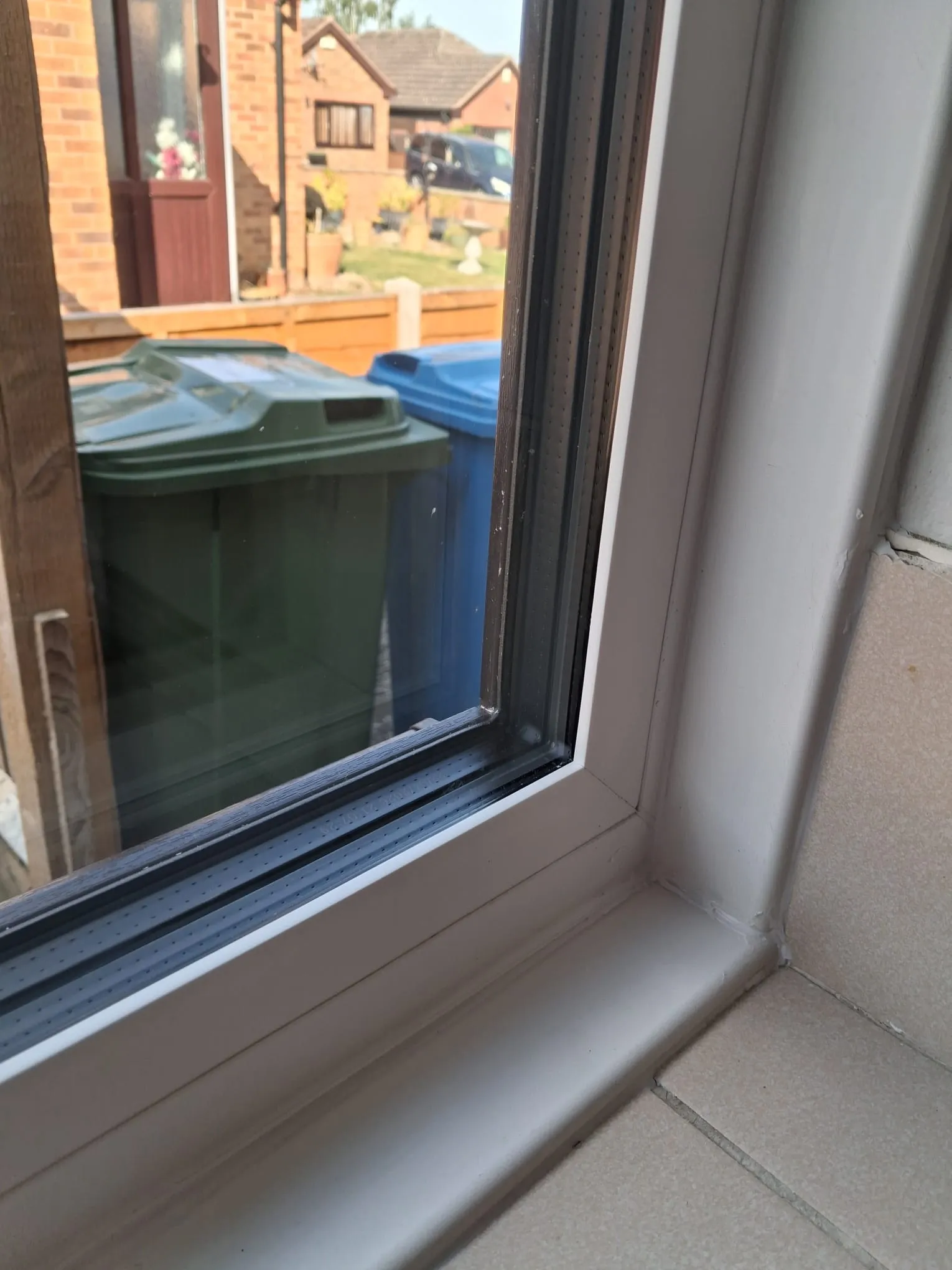
Close-up of a window frame and deep sill looking out to neighbouring houses

Repairs & Servicing

Failed units and faulty hardware cost landlords, agents and builders time and money, and they hold up lettings, sales and handovers. Our technicians diagnose and fix problems quickly across all window types, so the property is ready sooner. Planned servicing across a portfolio catches issues before they become complaints.

Common window repairs include, but are not limited to:

  • Misted or blown double glazing (condensation between panes, failed seals)
  • Broken or faulty locks and handles
  • Damaged hinges and restrictor arms
  • Worn seals and weatherstripping (draughts, energy loss)
  • Stiff, jammed or dropped windows
  • Cracked or broken glass
  • Draughts around frames
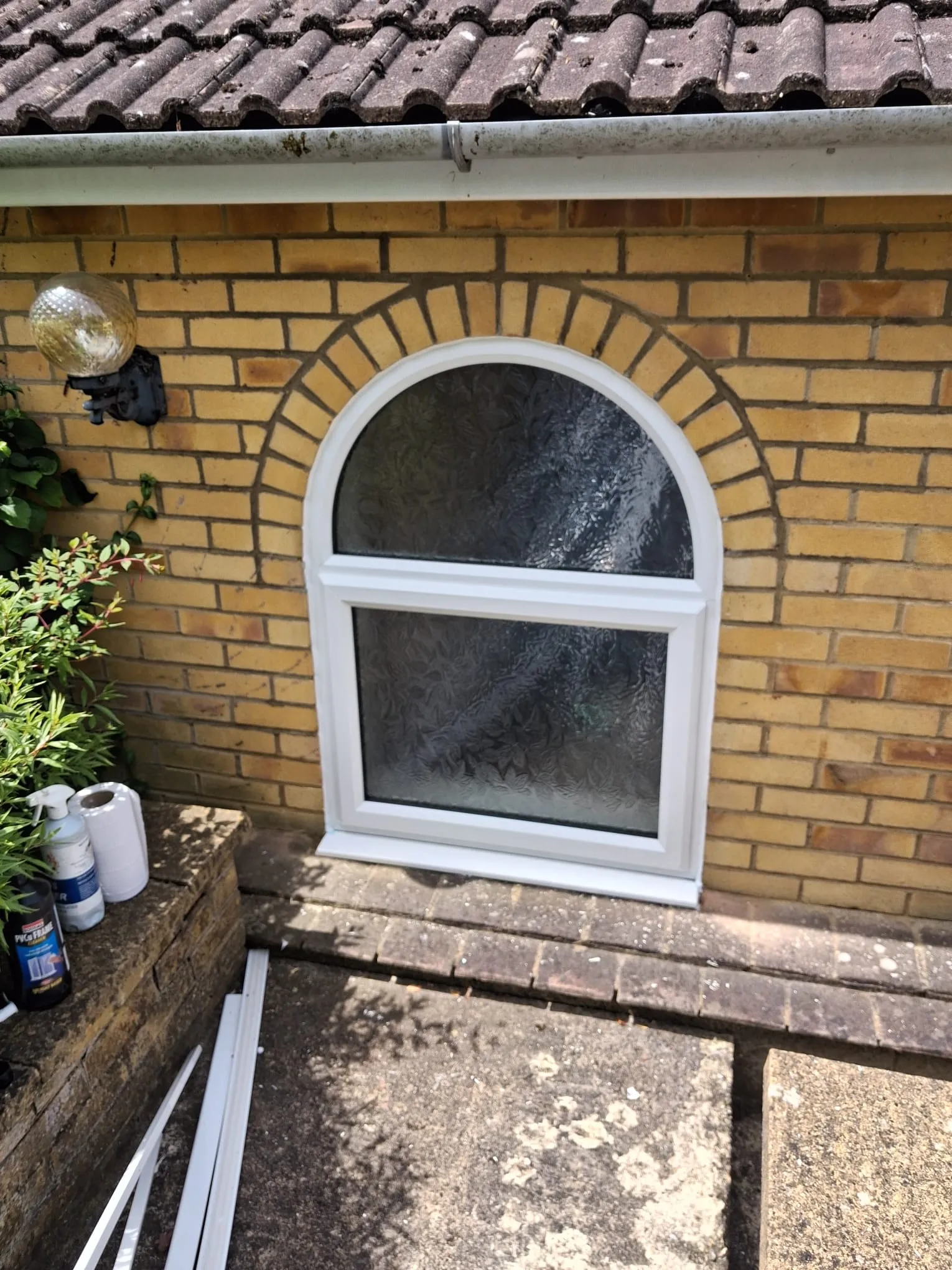
A white arched window being refitted in a yellow brick wall

Request a Commercial Quote

Tell us about your property, scheme or project and we will come back to you promptly with a tailored quotation.

Get a Commercial Quote