
A garage door that stops working is inconvenient, and it can leave your car locked in. Many faults turn out to have a simple cause, so a few quick checks can save you a call-out. Others, especially springs and cables, are dangerous and should only ever be dealt with by a trained technician.
Quick checks you can safely do
- Replace the batteries in the remote control and try the wall button as well.
- Make sure the opener is plugged in and the power supply is on.
- Look for anything blocking the door’s path, such as a bin or a toolbox.
- Check the safety sensors near the floor on either side of the door. They need to be clean, lined up and unobstructed, or the door may refuse to close or may reverse straight away.
- Check that the manual release has not been left in the disengaged position.
Common signs and what they suggest
- Motor hums but the door does not move: a broken spring, a slipped belt or a disengaged release.
- Door goes up but won’t come down: sensors, or an obstruction in the track.
- Noisy or jerky movement: worn rollers, dry hinges or a track that needs attention.
- Door looks crooked or sags to one side: a cable or spring problem. Stop using it.
What you should never do yourself
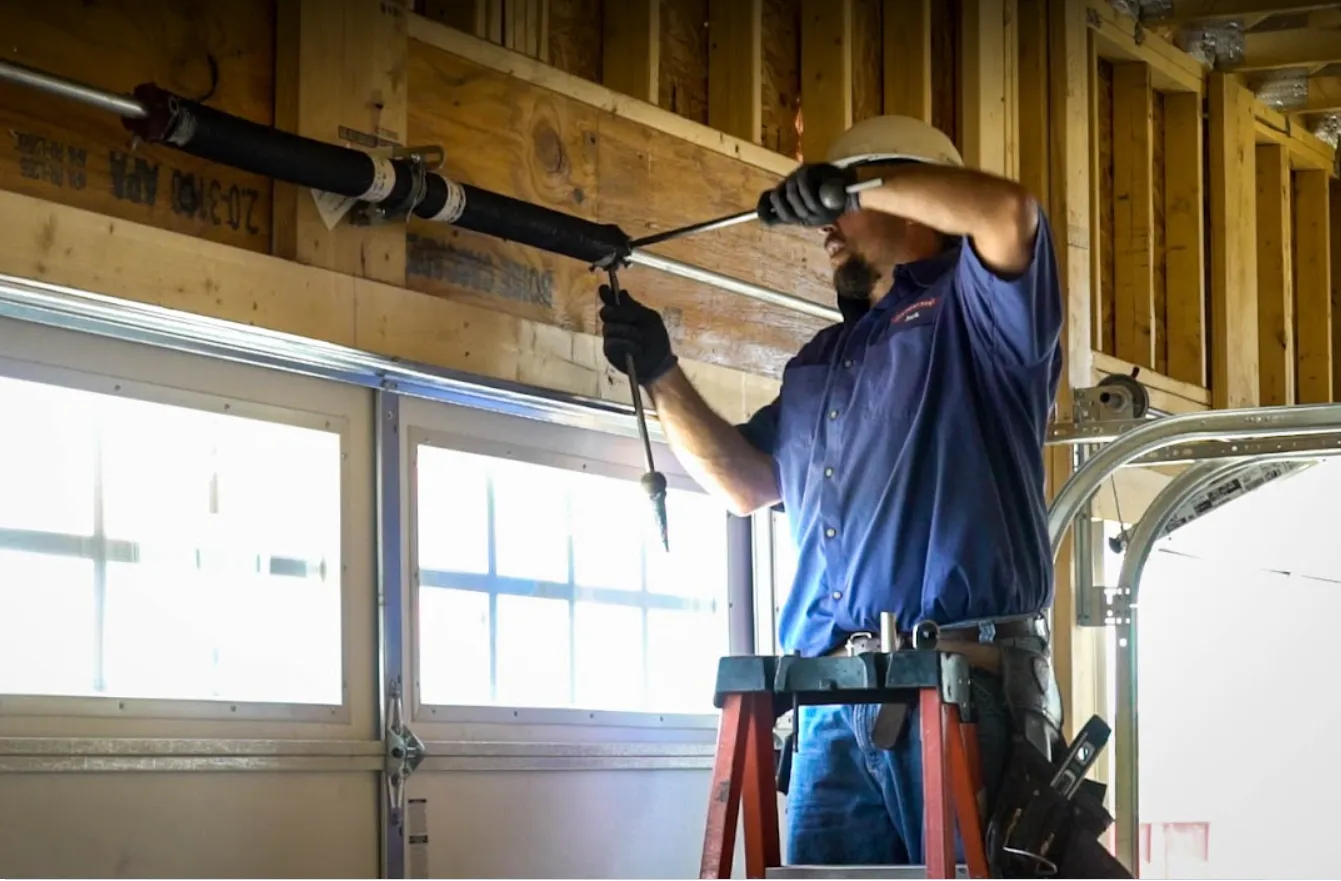
Garage door springs and lifting cables are under very high tension. Do not try to loosen, replace or adjust them. If you see a snapped spring, frayed cable or a door that has come off its track, leave it alone and call a professional.
Getting it fixed
Our team repairs and services up and over, roller and sectional garage doors, and can fit or replace motors and remotes. Planned servicing once a year is the best way to avoid sudden breakdowns.